H2O Shield: How This Water-Repellent Coating Works
What H2O Shield is meant to do
H2O Shield belongs to the water-repellent coating family popular in as-seen-on-TV marketing. You apply it, let it dry, and water is supposed to bead up and roll off instead of soaking in. The layer left behind is extremely thin, usually silicone or fluoropolymer based, and invisible on most surfaces.
It does not make anything truly waterproof. That distinction matters. A coated jacket will shrug off rain for a while, but it will not survive being held under a tap for ten minutes the way a sealed membrane would.
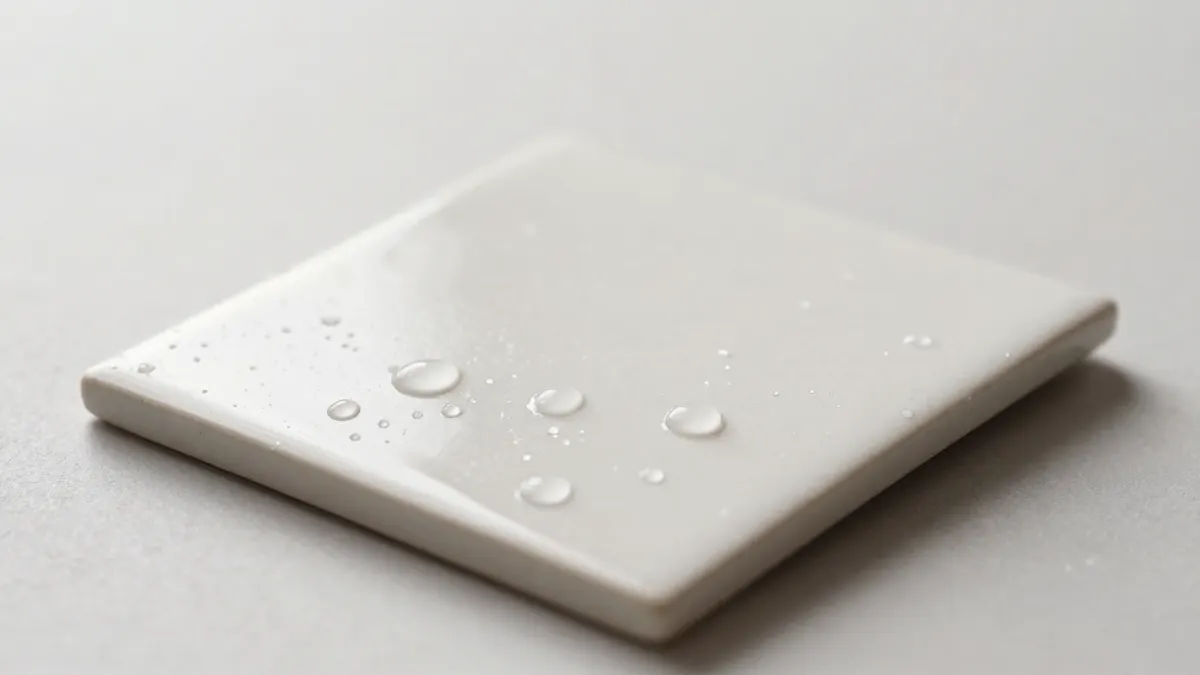
Surfaces where this kind of coating works best
Porous, flat-weave materials respond best. Think canvas shoes, cotton tents, backpacks, suede boots and fabric patio cushions. The coating clings to the fibres and stops water from wicking between them.
Hard, smooth surfaces are a different story. Glass, tile and car paint can take a repellent film, but it wears off faster there because there are no fibres to hold it. Expect weeks rather than months.
Some materials are poor candidates:
- Leather with a wax or oil finish, which can darken or turn patchy
- Silk and other delicate fabrics that stain easily
- Anything already treated with a different repellent, since layers can clash
- Electronics, unless the label explicitly says the product is safe for them
How to apply a spray coating properly
Most failures come from poor prep, not a bad product. Start with a clean, dry item. Dirt under the coating gives water a path in, and a damp fabric will trap moisture beneath the film.
Step by step
Hold the can about 15 to 20 cm from the surface and spray in light, overlapping passes. Aim for an even, slightly damp look rather than a soaked one. Work outdoors or near an open window, because the fumes from solvent-based sprays are strong.
Let the first coat dry for about 30 minutes, then add a second on seams, zips and shoe welts, where water gets in first. Full curing usually takes 12 to 24 hours. Do not wear or use the item before that.
Always test first
Spray a hidden patch, such as the inside of a tongue or a back hem, and wait until it dries. If the colour holds and the fabric feels the same, go ahead with the rest.
How long the protection lasts
Manufacturers of this type of spray often claim several months. In practice, a realistic range is 4 to 8 weeks for gear in regular use, and less for shoes that get scuffed daily. Rubbing, washing and sunlight all break the film down.
A simple check: sprinkle a few drops of water on the item. If they bead and roll, the coating is still working. If they darken the fabric, it is time to reapply.
A can of this size, often 200 to 300 ml, typically covers a pair of boots or a small tent a few times. Prices for comparable sprays start around $10 to $20, though that is only a rough guide and varies by retailer.
Claims to read with caution
Viral demos usually show a coated paper towel or sneaker sitting in a bowl of water. That proves the film works on a fresh, flat sample. It says little about a hiking boot after a month of trails.
Look for these details before trusting any repellent:
- A stated list of compatible materials
- A cure time and a reapplication interval
- Safety information for ventilation and skin contact
- Honest wording such as "water repellent" instead of "100% waterproof"
If a page promises permanent protection from a single spray, treat it as marketing. No thin coating survives friction forever.
Related gadgets worth comparing
Protection sprays often show up beside cleaning and outdoor tools in the same viral category. If you are prepping gear and also want to scrub off dried mud first, the EZclean magic brush is a common pick for that stage, since a clean surface holds a coating better.
For outdoor use, power is another concern. Our Aquasun solar review covers a sun-powered product that people often pair with camping and garden setups where a repellent might also be applied. And if you like checking what a gadget actually does before buying anything, Acumat benefits explains a different product with the same claim-by-claim approach.
Safety and storage
Aerosol repellents are flammable. Keep the can away from heat, flames and car interiors in summer, where temperatures can pass 50 °C. Store it upright in a cool cupboard.
Wear a mask if you spray more than a small item, and keep pets and children out of the room until the coating dries. Wash your hands after use. If you get some on your skin, soap and water is the standard advice.
A small point on disposal: do not puncture an empty can. Check local rules, since many areas treat spent aerosols as household hazardous waste.
Frequently Asked Questions
Is H2O Shield truly waterproof?
No. It is a water-repellent coating, which means water beads and runs off for a limited time. Heavy, sustained soaking or pressure will still get through, so do not rely on it for diving gear or roof sealing.
Can I use it on shoes and jackets?
Yes on most fabric shoes, nylon jackets and canvas bags, once you test a hidden spot. Avoid waxed or oiled leather and delicate fabrics. Reapply every 4 to 8 weeks for items you use often.
How long does it take to dry?
Surface dry takes about 30 minutes, while a full cure needs 12 to 24 hours. Keep the item indoors and out of the rain during that window so the film bonds properly.
Does it change how fabric looks or feels?
On most light fabrics the change is barely noticeable. Dark suede and some cottons can darken slightly, and a stiff feel can appear if you over-spray. That is why a patch test and light coats are the safest route.
Is the spray safe to use indoors?
Only with strong ventilation. The solvents can irritate the nose and throat, so spraying outside or by an open window is the better habit. Let everything dry fully before bringing it back into living spaces.