Tire Pressure Alert Caps: Do Valve-Cap Indicators Work?
Tire pressure alert caps do work for one narrow job: they show you that a tire has dropped well below its normal pressure. They do not measure pressure in psi, and they will not replace a proper gauge. Think of them as a cheap warning light for a tire that has no sensor.
Most sets cost around $8 to $25 for four caps. That price explains the appeal, and it also explains the limits.
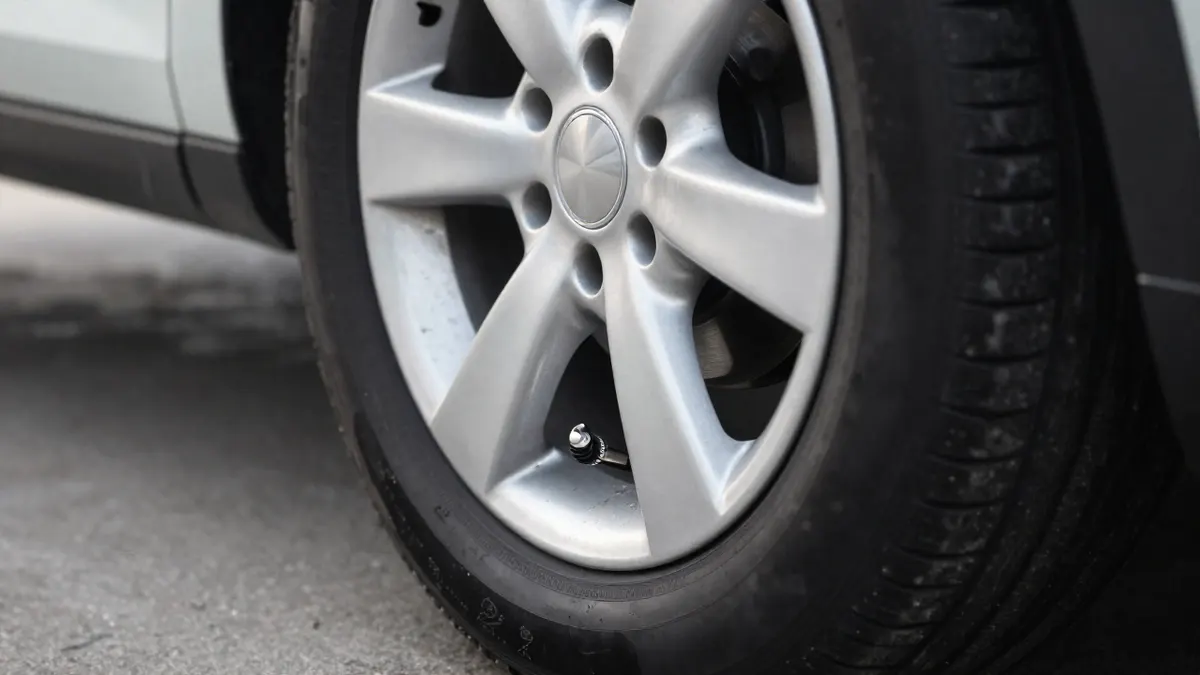
How Tire Pressure Alert Caps Work
The cap replaces the plastic cover on your valve stem. Inside is a small spring-loaded plunger or a pressure-sensitive diaphragm. When the tire holds its set pressure, the air pushes the plunger up and the indicator shows green. When pressure falls below a threshold, the plunger drops and red becomes visible.
Some caps use a color band instead. Others use a pop-up stem, a bit like the indicator on a baby bottle warmer. The idea is always the same: one glance, no tools.
Fixed threshold versus adjustable
Cheap caps are calibrated to a single value, often 32 psi or 36 psi. Many cars call for something different. A small hatchback might want 35 psi in front, while a pickup truck can need 45 psi or more when loaded. A cap set for 32 psi will stay green on a tire that is 8 psi under what your car wants.
Adjustable versions exist, but they are fiddly. You usually need a gauge to set them in the first place, which raises the question of why you would not simply use the gauge.
Are Valve-Cap Indicators Accurate?
Not very. Expect a tolerance of 2 to 4 psi on decent caps, and more on bargain ones. Temperature also plays a part. Pressure moves about 1 psi for every 10°F change in outside temperature, so a cap that reads fine on a warm afternoon can flip to red on a cold morning.
The bigger issue is slow loss. A tire that drops 1 psi a month will never trigger the cap until it is already clearly low. By then, fuel economy has taken a hit (underinflation of 10 psi can cost a few percent in mileage) and the sidewalls are wearing faster.
Cap quality varies a lot. Some units leak slowly through the plunger seal, which defeats the purpose. Check each tire with a real gauge a week after fitting the caps. If a tire has lost air, the cap itself may be the culprit.
Valve Caps Versus TPMS and a Hand Gauge
Since 2008, every new passenger car sold in the US has a built-in tire pressure monitoring system (TPMS). It usually warns you when a tire is about 25 percent below the recommended level. That is late, but it is automatic.
So who benefits from caps? Owners of older cars with no TPMS, trailers, caravans, and spare tires. A trailer tire is easy to forget, and a bright red cap is a useful nudge.
- Digital gauge: about $10 to $20, accurate to roughly 1 psi, takes under a minute for four tires.
- Valve-cap indicators: about $8 to $25, rough warning only, always visible.
- Aftermarket sensor caps with an app: about $40 to $100, give actual readings but need batteries and a phone.
My view: buy a gauge first. Add caps only if you want a visual reminder on top of monthly checks.
What to Check Before Buying a Set
Look at the stated threshold and compare it with the number on the sticker inside your driver door. If the cap cannot match it within 3 psi, skip it. Metal caps with a rubber seal hold up better than all-plastic ones.
Also check the thread type. Standard Schrader valves fit nearly everything, but some bicycle and motorcycle valves are different. Never leave a cap on that you cannot remove by hand, since a seized cap can damage the valve stem.
Be wary of anything that claims it "detects leaks" or "prevents blowouts". A cap shows pressure at the valve. It does nothing about a nail in the tread.
Other Gadgets Worth Comparing
Viral car and home gadgets often promise more than they deliver, so it helps to read independent notes before spending. If you like checking how a quick-fix product holds up, our Nanocool product review shows the same kind of reality check. For a different category of everyday device, the universal TV remote review covers what a low-cost gadget can and cannot replace.
The same reality check works for wellness gadgets: read about Backhero effectiveness before trusting a posture device ad.
Frequently Asked Questions
Do tire pressure alert caps replace TPMS?
No. They are a basic visual aid, while TPMS uses sensors and a dashboard warning. Caps can add a second check, particularly on older vehicles, trailers and spares.
How often should I still check my tires with a gauge?
Once a month, and before long trips. Check when the tires are cold, meaning the car has sat for at least three hours. Cap indicators do not remove the need for this.
Can the caps damage my valve stems?
Rarely, if they fit properly. Cheap caps with poor threads can cross-thread or seize, especially in winter. Fit them by hand and remove them once or twice a season to keep the threads clean.
Why does my cap turn red in cold weather?
Air contracts as it cools, so pressure falls by roughly 1 psi per 10°F. If the cap shows red on a frosty morning, top the tire up to the sticker value. If it stays red after the tire warms up, you likely have a slow leak.