Nanocool: How This Cooling Gadget Really Works
What Nanocool is supposed to do
Nanocool is sold as a small, plug-in or USB-powered cooler that sits on a desk or nightstand and promises to drop the temperature of a room. The ads show a compact box with a water tank, a fan and a few LED lights. Most units of this type weigh under 1.5 kg and draw between 10 and 30 watts.
That size tells you a lot. A real air conditioner pulls heat out of a room and pushes it outside, and it needs a compressor to do it. A box this small has no compressor.
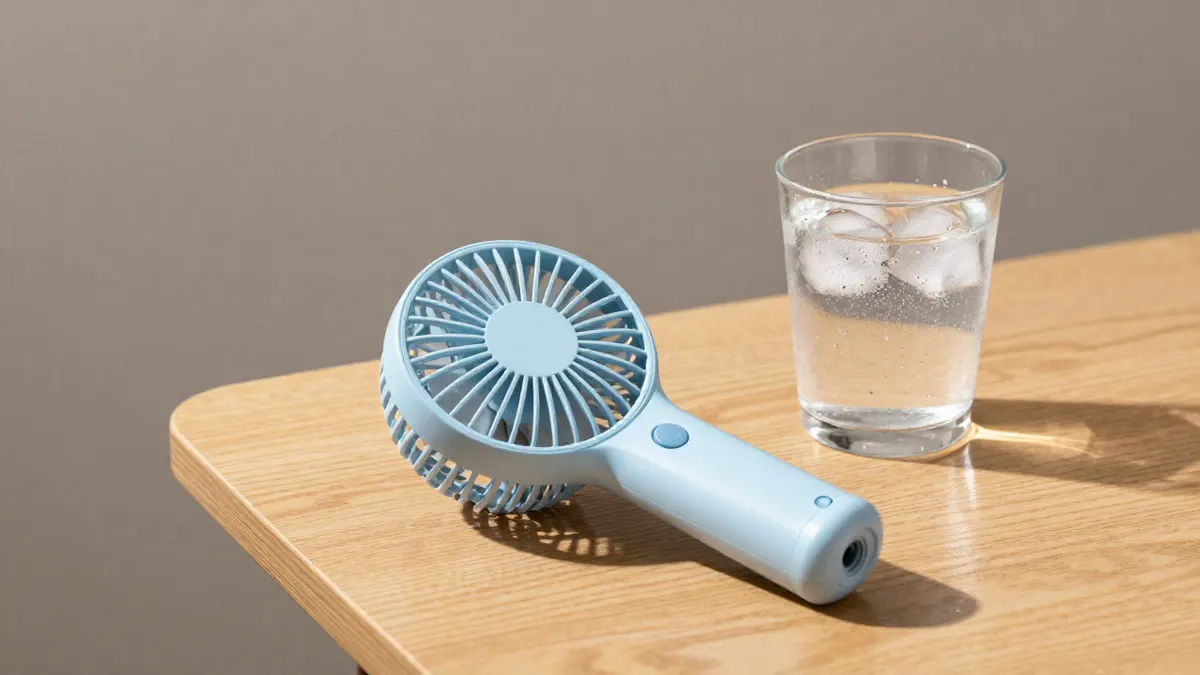
How devices like Nanocool actually cool the air
Almost every gadget in this category is an evaporative cooler, sometimes called a swamp cooler. A fan blows air across a wet filter or cloth, the water evaporates, and the air that comes out feels cooler and damp.
It works, within limits. In dry climates (think desert states, with humidity below 40 percent) a small evaporative unit can make the air near it feel 3 to 5 degrees Celsius cooler. In a humid place like the Gulf Coast or a tropical city, the gain drops to 1 or 2 degrees, and the room gets muggier.
Some versions add ice packs or a cold-water reservoir. That helps for the first 30 to 60 minutes. After that you are mostly running a fan.
Is Nanocool worth it? Realistic expectations
For a personal space of about 1 to 2 meters around you, a unit like this is fine. For a whole bedroom of 15 square meters or more, it will not do the job, and no tank under 1 liter will change that.
Expect a tank to last roughly 4 to 8 hours on the low setting. Running costs are tiny, around a cent or two per hour of electricity, so the real cost is the purchase price. Gadgets like this are usually advertised at roughly $30 to $60, which is a fair range for a basic USB fan with a water tank. Anything much higher deserves suspicion.
My view: treat it as a desk fan with a humidifier built in. If you want that, it is reasonable. If you hope to replace a window unit, skip it.
Claims to check before trusting the ads
Viral cooler ads often lean on the same few lines. Here is what to look for.
- "Cools to 10 degrees below room temperature." No evaporative device does this in normal conditions, so treat any figure like that as marketing.
- "Also purifies the air." A wet filter can catch some dust, but that is not purification. The same issue comes up in our look at AirClean air purifier claims.
- "Technology no one else has." The word "nano" usually describes a mist or a filter coating, not a new cooling method.
- Countdown timers and "only a few left" banners. These are sales pressure, not product information.
Check whether the listing gives a wattage, a tank size in milliliters and a noise level in decibels. Honest listings do. Vague ones skip all three.
Practical tips if you already own one
Use cold water, and add ice if the tank allows it. Place the unit close, within arm's reach, and aim the airflow at your face or neck instead of at the room. Open a window slightly in humid weather so moisture can escape.
Clean the tank and filter every week or so. Standing water grows a film of bacteria within a few days, and you will smell it before you see it. Empty the tank when you are not using it.
Keep it away from laptops and power strips. Mist drifts further than you would think.
Comparing Nanocool with other viral gadgets
The pattern is familiar. A small device, a dramatic demo video and a promise that sounds too large for the hardware. If you want to see how we weigh that kind of claim elsewhere, our Cellulife product review follows the same checklist, and the piece on tire pressure alert caps shows how a cheap accessory can be useful for one narrow job and oversold for everything else.
Better alternatives for heat depend on the problem. A real fan costs about the same and moves more air. A portable air conditioner starts around $250 and needs a window vent. A window unit is the only option that truly lowers room temperature on a budget.
Frequently Asked Questions
Does Nanocool work like an air conditioner?
No. It cools by evaporation, which only makes the air feel cooler near the unit. It has no compressor and does not remove heat from the room.
How much cooler will it make my room?
In dry air, expect about 3 to 5 degrees Celsius of perceived cooling within a meter or two. In humid conditions the effect is closer to 1 or 2 degrees, and the air feels damp.
How much does it cost to run?
Very little. At 10 to 30 watts, it uses well under a tenth of a kilowatt-hour per hour, so electricity costs only a cent or two per hour at typical rates.
Can I use it in a humid climate?
You can, but results are weak. The water has trouble evaporating into moist air, so you mostly get a gentle fan with extra humidity. A regular fan or an air conditioner will serve you better there.