Acumat Benefits: What an Acupressure Mat Really Offers
The main Acumat benefits come down to short-term muscle relaxation, a warm tingling sensation on the skin and, for some users, easier winding down before sleep. That is about the extent of what is reasonably supported. The mat is a foam pad covered in hundreds of small plastic spikes, and you lie on it for a set time.
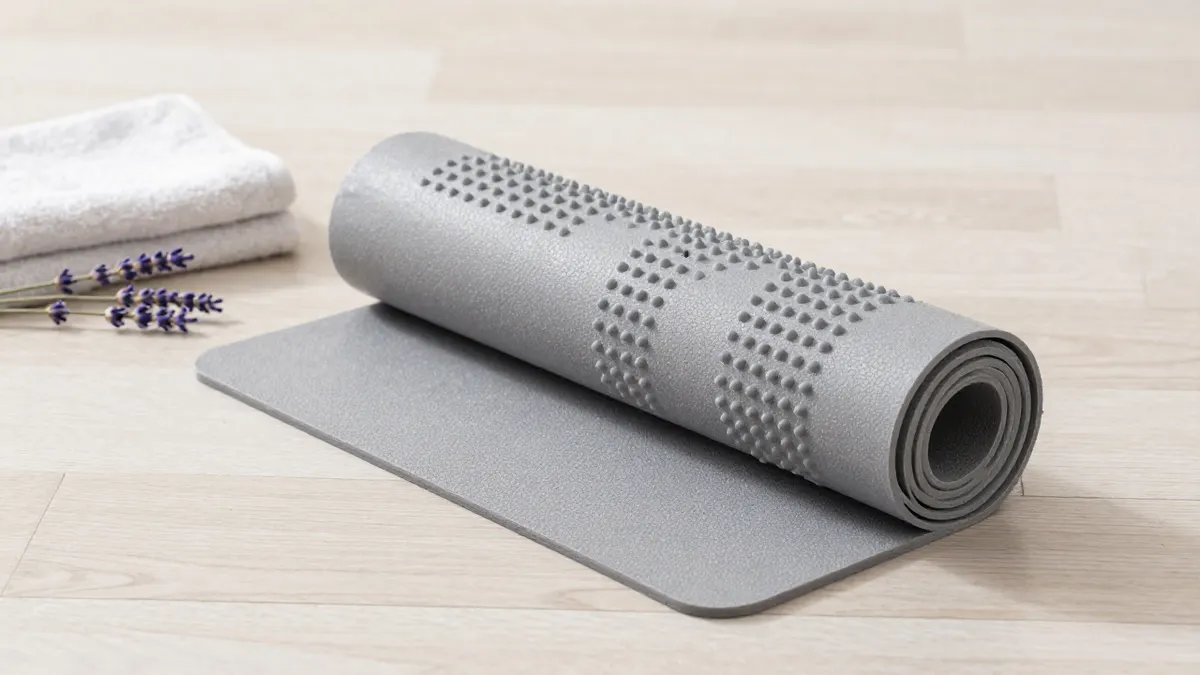
Acumat benefits users report most often
Most reviews mention the same handful of effects. People feel a prickly sting for the first 2 to 3 minutes, then a spreading warmth as blood flow increases in the skin. After about 10 minutes, many describe their back and shoulders feeling looser.
- Temporary relief from muscle tightness in the lower back and neck
- A calmer feeling after a stressful day
- Easier relaxation before bed when used for 10 to 20 minutes
- Warmth and mild tingling in the skin under the spikes
Treat these as comfort effects. Evidence for long-term pain treatment is thin, and small studies on spiked mats are short and often rely on self-reported scores.
How the mat works
The spikes spread your body weight over roughly 6,000 or more contact points, depending on the model. That pressure stimulates nerve endings in the skin. The body responds with a mild rush of circulation and, according to the usual explanation, a release of endorphins.
The marketing language borrows from acupressure, but a mat does not target specific points the way a trained practitioner would. It is general pressure, nothing more precise.
How to use it for the best results
Start slowly
Put a thin cotton shirt on and lie down for 5 minutes in your first session. The sting fades as your skin adapts. Going bare-skinned on day one is the fastest way to give up on the mat.
Build up the time
Work towards 20 to 30 minutes, once a day at most. Longer sessions add little and can leave small red marks that last an hour or so. A rolled towel under the neck or knees helps with positioning.
Choose your moment
Evenings suit most people. Some prefer a short session after a long desk day. Avoid it right after a heavy meal, since lying flat on a firm surface gets uncomfortable.
Who should avoid it
Skip the mat if you have broken or inflamed skin, a bleeding disorder, are on blood thinners, are pregnant or have a nerve condition such as neuropathy. Anyone with a spinal injury or chronic pain should ask a doctor first. Children should not use one unsupervised.
What to compare before trusting the hype
As-seen-on-TV gadgets tend to promise more than they deliver, and acupressure mats are no exception. Prices run from about $20 for a basic mat to $70 or more for a set with a pillow. The spikes matter more than the brand: look for firm foam, evenly spaced spikes and a cover that does not shed.
If you are weighing other wellness gadgets, a Cellulife product review gives a useful comparison of how bold health claims hold up against actual evidence. For products with results you can see, such as water beading on a treated jacket, the H2O Shield water-repellent coating is easier to assess than a relaxation mat.
For a gadget judged on numbers rather than feel, the Aquasun solar review shows how to check what a small solar panel really delivers.
Frequently Asked Questions
Does the Acumat help with back pain?
Some people feel short-term relief from stiffness, usually lasting an hour or two. There is no solid proof it treats chronic back pain. See a doctor if the pain is persistent or spreads down a leg.
How long should I lie on it?
Begin with 5 minutes and move up to 20 or 30 minutes. One session per day is plenty. Stop if you feel numbness or sharp pain rather than a general tingle.
Can I use it every day?
Yes, for most healthy adults, as long as the skin is not irritated. Give yourself a rest day if marks have not faded from the previous session.
Will it help me sleep?
It may make winding down easier, mainly through relaxation and warmth. Results vary a lot, and it is no replacement for a regular sleep routine.
Is the sting normal?
Yes. The first few minutes are the hardest, and wearing a thin layer of clothing makes it far more bearable. Most people find it settles within a week of regular use.